Category Archives: information

Train Collision in Toledo Disrupts High-Speed Rail Services Between Madrid and Andalucia

Another train accident has occurred on the railway line between Madrid and Seville, involving an Alvia train and an Iryo train that collided in the town of Urda, in the province of Toledo. Unfortunately, two carriages fell down an embankment following a collision between an AVE train and an Iryo train in Urda, Toledo. Fatalities have not been ruled out.
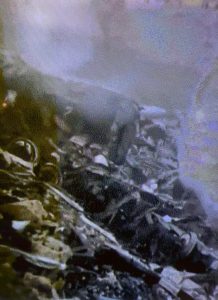
The accident occurred near Urda station on the morning of Wednesday, 28 October, at around 8:50 a.m., prompting the deployment of a large emergency response operation.

High-speed rail services between Madrid and Andalusia have been suspended. The accident took place near Urda station, on the railway section close to Los Yébenes, and emergency services were called to the scene.

Firefighters and medical teams are working at the scene. The emergency response has included firefighters from the Alcázar de San Juan and Orgaz fire stations, as well as Civil Protection personnel from nearby municipalities. Three medical helicopters and two mobile intensive care units have also reportedly been dispatched.

Eyewitnesses have reported several deaths. Civil Protection reports that more than 46 people have died so far

Rail services between Madrid and Andalusia have been suspended. The disruption affects the high-speed railway line connecting Madrid with Andalusia.

The causes of the accident have not yet been determined. Adif has confirmed that the incident involved a rear-end collision between two trains, but this does not establish whether the accident was caused by a technical failure, a signalling problem or human error.

The immediate priority is to assist those affected, secure the accident site and assess the damage to the trains and railway infrastructure.

Official sources
Adif: Updates on the suspension of services on the Madrid–Andalusia high-speed line. Official Adif website.
112 Emergency Service of Castilla-La Mancha: Information on the emergency response. Official 112 portal.
Government of Castilla-La Mancha: Official regional government website.
 

Seahorses and Octopuses: The Hidden Life Revealing the Biodiversity of the Vigo Estuary

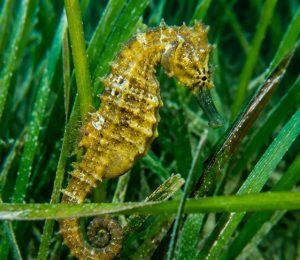
Beneath the surface of the Vigo estuary lies a wealth of biodiversity that still holds many mysteries. Seahorses are one example of this richness: their presence has sparked the interest of researchers seeking to learn more about their populations, movements, and the places where they find shelter. The goal goes beyond simply locating individual specimens; it is about discovering what conditions the ecosystem provides for them to survive and reproduce.

Among the key elements in their conservation are underwater meadows of Zostera marina. These plants create habitats that provide food and protection for various marine organisms. Their deterioration can have consequences for the species that depend on them, making it essential to understand their condition in order to assess the changes taking place in the estuary’s marine life. Conserving these seabeds is an issue that affects the entire ecosystem, not just one particular species.

Research into seahorses is also linked to the search for new shelters. In Vigo, the HIPPO-REF project, led by the Spanish National Research Council’s Institute of Marine Research (IIM-CSIC) and the Port Authority, aims to study the use of artificial structures as potential settlement sites. The initiative stems from the scientific interest generated by sightings recorded around the port and will make it possible to assess whether these shelters can contribute to the animals’ conservation. Their effectiveness will need to be verified by monitoring individual specimens and collecting data over time.

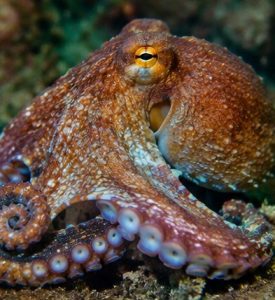
Common octopuses (Octopus vulgaris) offer another perspective on the marine richness of this environment. Researchers from the Institute of Marine Research in Vigo have tracked specimens around the Cíes Islands using acoustic telemetry, a technique that makes it possible to study their movements without relying exclusively on occasional underwater observations. The study showed that these animals typically leave their dens to forage and then return to them. Understanding their movements helps researchers learn how they use the seabed and which areas are important to their daily lives.

Research is not limited to adult octopuses. Other studies by IIM-CSIC have examined the early life stages of cephalopods found in the Vigo estuary, including small juvenile stages that are difficult to identify through conventional observation. Meanwhile, the Octosan project, developed in collaboration with the Government of Galicia, aims to deepen understanding of the life cycle and health of wild octopus populations, as well as examine the potential effects of environmental factors such as temperature and other changes in sea conditions. These studies may provide valuable information to improve our understanding and management of this fishery resource.

Seahorses and octopuses are different species, with distinct needs and behaviours, but studying them contributes to the same overarching goal: gaining a better understanding of Vigo’s marine ecosystems and the factors that influence their conservation. Ongoing research makes it possible to detect changes, identify important habitats, and make decisions based on a stronger scientific foundation. Ultimately, protecting the estuary’s biodiversity means looking beyond the animals we can see and paying attention to the seabeds and environmental conditions that make their presence possible.


The Ferris wheel in Vigo is 54 metres tall, approximately the height of an 18-storey building. It is decorated with thousands of LED lights and can carry around 200 people in its cabins.

The Ferris wheel, which is installed in Vigo every year during the Christmas season, is moving from the city centre to the Vialia car park.

In addition, the Cíes Market Christmas market will be located in the square outside the Vialia shopping centre, with its traditional food stalls.

Vigo Arena: the 16,000-seat venue set to transform Teis and reshape Vigo’s future

Vigo is preparing one of the most ambitious urban projects of the coming decade: the construction of the Vigo Arena, a new multi-purpose venue designed to bring major international concerts, elite sports competitions and large-scale cultural events to the city.

With an expected capacity of between 15,000 and 16,000 spectators, the arena aims to fill a historic gap in Vigo: the lack of a modern venue capable of hosting the biggest shows and attracting international tours that currently choose larger cities.

The project will be located in Guixar, in the Teis district, as part of a wider urban transformation covering more than 62,000 square metres. The regeneration plan includes the construction of over 600 homes, around 60% of them protected housing, together with new public spaces, green areas and commercial zones.

The future arena will occupy a plot of approximately 10,000 square metres and is planned as one of the main landmarks of the new neighbourhood. Its design follows a contemporary architectural approach, adapting to the natural slope of the land and reducing the visual impact of the building.

The concept is based on a partially integrated structure, allowing the venue to blend into its surroundings while improving acoustic insulation. The upper area could become an accessible urban space with greenery and pedestrian routes, creating a connection between the building and the neighbourhood.

Inside, the arena will be designed for maximum flexibility, allowing rapid changes between sporting events, concerts and entertainment shows. The project includes multi-level seating and a possible underground car park with capacity for around 1,000 to 1,500 vehicles.

Construction is expected to begin around the end of 2028, once planning procedures, design work and public tendering are completed. Given the size and technical complexity of the project, the venue could potentially open around 2031 or 2032.

More than a sports hall, Vigo Arena represents a long-term vision for the city: combining architecture, culture, tourism and economic growth while turning Teis and Guixar into one of Vigo’s new urban centres.

Mayo 2026

XXXIX Festa do Choco

Dela Viernes 8 al domingo 10 /05/2026,  Redondela,

Brincadeira de Bouzas

8 al 10/05/2026. Bouzas, Vigo


Ara Malikian

 10/05/26, Auditorio Pazo de Congresos Mar de Vigo, Vigo

Carreira Praia Samil FE Seguros

  17 /05/2026  Praia de Samil.Vigo

Día das Letras Galegas

17/05/2026 Galicia

XIII Carreira da Cereixa


24/05/26, Beade ,en Vigo

La Solitaire du Figaro 2026

20 a 24/05/2026 Vigo

Vigo Lives the European Night: Celta Chases Historic Comeback

Today, Thursday, April 16, 2026, Balaídos transforms into a roaring fortress at 6:45 PM CEST for the return leg of the UEFA Europa League quarterfinals. Celta de Vigo hosts Freiburg with the epic mission of overturning a daunting 0-3 deficit from the first leg in Germany.

Epic Training Session at Balaídos with Thousands of Fans

This very morning at 11:00 AM, over 3,500 celestes packed the stands of Abanca Balaídos for an unforgettable open training session. From 10:30 AM, entire families, fan groups, and kids with scarves cheered Iago Aspas, Swedberg, and Claudio Giráldez as they fine-tuned tactics for the miracle. The atmosphere was deafening, setting the perfect tone for the European battle.

From Unbeaten in Europe to the German Blow

Before the 0-3 Freiburg setback (Grifo 10', Beste 32', Ginter 78'), Celta was unstoppable in the competition: knocked out PAOK in the round of 16 (3-1 aggregate, epic 2-1 win in Thessaloniki) and beat Lyon in the playoff round (key victory in France). Earlier phases featured thrashings of Dinamo Zagreb (3-0) and Nice (2-1), cementing Swedberg and Strand Larsen as a lethal duo.

Vigo, Celeste Capital on Pause

Excitement overflows every corner since dawn:

  • Fan gatherings: O Berbés, A Cova Celtic, and Praza América set up giant screens with empanada and queimada.

  • Public squares: Plaza de España filled with kids painted as Aspas and Swedberg.

  • Streets gridlocked: Gran Vía and Beiramar blaring nonstop celeste honks.

  • 28,000 official tickets sold out in just 30 minutes for season ticket holders and general public.

WHERE TO WATCH THE MATCH?

  • Spain TV: Movistar+ (dial 7), M+ Liga de Campeones 2 (dial 61)

  • Galicia: TVG with Galician commentary

  • Streaming: Official Movistar+ app, UEFA.tv website

Likely lineup: Villar; Mingueza, Starfelt, Urošević, Javi Rodríguez; Ilaix Moriba, Dotor; Zalewski, Beltrán, Swedberg; Strand Larsen.

6:45 PM CEST - Movistar+ and TVG - 

Complete Guide: Xunta Summer Camps 2026

The Xunta de Galicia kicks off its annual summer camp program today, offering over 11,900 affordable spots for Galician kids and youth to enjoy safe, educational adventures in nature.

Key Dates for Registration
Open from April 16 to April 29, 2026 (10 business days). Apply online at sede.xunta.gal using digital certificate or Chave365. Assignments via fair lottery, prioritizing first-timers from 2025.

Camp Durations
Standard camps: 8-12 full days.

Family minicamps: 5 days (Monday-Friday).

Volunteering/specials: 5-10 flexible days.

Daily schedule: 8:00 AM to 3:00 PM, with optional morning care and lunch extensions.

Requirements to Join
Galicia residents aged 9-30, no contagious illnesses, swimming ability for water activities. Bring ID/health card and simple health questionnaire. Large/single-parent families qualify for discounts (verified later). Disabilities over 33% get tailored support.

Prices Breakdown
Full board included. 50% off for special families.

Option Duration

Base Price Discounted
Standard 8-12 days 117-193€ 58-96€
Minicamp 5 days ~100€ ~50€
Volunteering (>18) Variable Free Free

Full Destinations by Province 

Pontevedra Province (9-17 years)
Destination Program/Type Overnight Duration Ages Main Activities
Mondariz Balneario Summer to Remember / Multisport Yes 8-12 days 9-17 Multisport, thermal hikes, water games
Tomiño Farm Little Adventure Yes 5 days 9-12 Animal care, eco-gardens, cheesemaking
Silleda Farm Little Adventure Yes 5 days 9-12 Milking, baking, farm tours
Baixo Miño (Tui/Oia) Miño River Adventure Yes 5 days 9-12 Kayaking, forest orienteering, shellfish
A Lanzada (Sanxenxo/O Grove) Beach camps Yes 7 days 9-17 Surf, sailing, beach volleyball, astronomy
Portonovo Abrente Residence (multiadventure) Yes 7 days 9-17 Climbing, sea kayaking, paintball.

Other Provinces Summary
Province Key Destinations Overnight Ages Highlight Activities Approx. Spots
A Coruña Boqueixón (Galicia Quality), Ortigueira Yes 9-17 Gastronomy, coastal surf ~2,500
Lugo Foz, Sarria mountain hostels Yes 9-17 Primitive Way hikes, river kayaking ~1,800
Ourense Vilariño de Conso (Rural Explore), Bande Yes 9-17 Hot springs, artisan cheeses, MTB ~2,200

Adults 18-30 Options
Category Example Spots Overnight Duration Activities
Youth Volunteering Province hostels Yes 5-10 days Eco-projects, kids animation
Alternative Leisure Mondariz, A Lanzada Yes 5-12 days Extreme sports, yoga, gastronomy
Exchanges Outside Galicia Yes 7-10 days Cultural/sports mix
Total budget: 5.5M€ for 11,932 spots. These camps build teamwork and nature love—sign up fast before spots fill!

Changing Reference Hospital in Vigo

Sergas allows Vigo area residents to choose between Povisa Hospital and Álvaro Cunqueiro as their reference center during a 30-day period starting today, April 16, 2026.

Requirements and Scope
Affects about 193,000 adults from centers like Cangas, Moaña, Baiona, Nigrán, Gondomar, and Vigo clinics (Beiramar, Bouzas, Coia, etc.). Only for active SERGAS health cards; no specific reasons required.

Application Methods
Online: Exclusively with digital certificate (FNMT or DNIe) on Sergas.es platform, "Reference hospital change" section. Does not accept Cl@ve or Chave365 for this procedure.

In-person: At your health center, Álvaro Cunqueiro Hospital (CHUVI admissions services), Povisa Hospital, or other area hospitals. Bring DNI and SERGAS health card. No appointment needed, during office hours.

The change is confirmed in 15-30 days; if you don't apply, you keep your current assignment.

Benefits and Considerations
Choose based on location, specialties, or waiting lists. Automatically updates medical quota and clinical history. This annual right balances healthcare loads in the Vigo area. Consult doubts at your health center.


March2026

VIII Calvario race 5+5

1 /03/2026 Calvario. Vigo

Vintage Charity Market for Animals

14/03/2026 N. 2 de la  Irmandiños street. Vigo

The Show homenaje a Édith Piaf

19/03/2026. Teatro Afundación Vigo | Vigo

Vigueses Distinguidos Awards

29/03/2026 Auditorio Mar de Vigo, Vigo

International Conference on World History

26 y 27 /03/ 2026 Campus de Campus Universitario Lagoas‑Marcosende,Vigo

DXI Camellia International Competition

7-8/03/2026   Puerta del Sol, Vigo

VII Teis race (5K y 10K).

15 /03/2026 Teis. Vigo

Sonrisas y lagrimas, el musical

20-21 Auditorio Mar de Vigo, Vigo

Charity Concert: Contra Tempo

26 /03/2026.  Teatro Afundación. Vigo

A Reconquista

27 al 29 /03/2026, Casco histórico de Vigo.

A small fragment of history recently emerged on As Dornas beach, on the Isla de Ons, when a maravedí surfaced in the sand after a storm.  What at first glance seemed like an insignificant object turned out to be a piece more than four hundred years old.

The coin dates back to the reign of Felipe II, one of the most powerful monarchs of the 16th century. During his rule, the Spanish Monarchy stretched across Europe, the Americas, and parts of Asia, sustaining intense maritime and commercial activity. The maravedí, typically minted in copper and used for everyday transactions, was a modest yet essential part of daily economic life. While such coins circulated widely in Spain, finding one in a protected natural setting adds particular historical interest.

The Isla de Ons, part of the Parque Nacional Marítimo-Terrestre of the island Atlánticas of Galicia, has long been closely tied to the sea. For centuries, fishermen, sailors, and traders navigated these waters, and shipwrecks were not uncommon along the Galician coast. The maravedí may have reached the beach through various means: accidental loss, shifting seabeds, or debris from a long-forgotten maritime incident.

Beyond its modest monetary value today, the coin represents a tangible link to the 16th century. It serves as a reminder that the everyday lives of ordinary people—sailors, merchants, or coastal inhabitants—left traces that the ocean sometimes preserves and returns. On the sands of As Dornas, history resurfaced in the form of a small copper coin that survived the passage of time and the relentless movement of the sea.