
Camellia comes from the East, specifically from Japan, Vietnam and China (where it is known as the bright-leaved tree) from where it was exported to Europe by botanist and missionary Joseph Kamel in the 18th century.
His name was given in honor of the botanist who was also known as Camellus.
One of its most distinctive features is the flower falls whole when it is finished, instead of leaf to leaf, so it is also the symbol of truncated life in some countries.
In the West it began to be known little by little until the writer Alejandro Dumas popularized it in his book "The Lady of the Camellias" in 1848.
In the 19th century, in Pazo de Rubianes, it will begin to cultivate camellias by contacting today with more than 4500 different species.

Today different creams and lotions are made especially for hair but also for shaving or facial creams following the Japanese tradition of using their oil for facial and hair beautification.

As the year progresses the camellia exhibitions begin some important dates are:
In February in Vigo is the "LVI International Exhibition Contest" to be held at the Mar de Vigo Auditorium on February 29 and March 1.
Also in the "Chan do Fento" Golf Course in Meis, the "Camellia Tournament" is held every year, which joins this flower with golf, being on February 21.
Another event is the one held in Cuntis joining the festa do lacón with that of the camellia this year in its XIV edition of "A Camelia na Festa do Lacón with Grelos" on March 1.
In Pontevedra on March 10-12, the "XVIII Mostra da Camelia". On March 21-22 "XX Certame da Camelia de Soutomaior". Other dates for lovers of this flower are April 4-5 in Xebe "VIII Mostra da Camelia in Sanxenxo".
To end with "III Mostra da Camelia de Lalín on April 8 and 19".
The International Camellia Congress is held in Japan this year 2020.
On March 21-22 there will be the "XX Soutomaior Camellia Contest". Other dates for lovers of this flower are April 4-5 in Xebe "VIII Mostra da Camelia in Sanxenxo".
And in April from 8 to 19 the "III Mostra da Camelia de Lalín" is celebrated.
It only remains to enjoy this flower symbol of Happiness and life with one of the most curious characteristics among the vegetable kingdom and that is that it lacks fragrance.


 Sunday 23: the Carnival Marathon will leave at 10:00 and 11:00 hours hours according to the categories. Closing the following downtown streets to road traffic: Elduayen, Paseo de Alfonso XII, Pi and Margall, López Mora, Camelias, Romil, Cachamuiña, Progreso, Doctor Cadaval and will end in Porta do Sol.
Monday 23: there will be children's entertainment from 17:00 p.m. to 19:00 p.m. In Vigo there will also be Merdeiros, a Vigués character from the carnival that aims to bother with rotten fish in the streets of downtown.
 Tuesday 25: it will be the burning of the Meco at 21:30 p.m. and costume contest with prizes for prizes of € 3,000 the first prize, 2,500 and € 2,000 second and third respectively. In addition to the € 1,000 accésits.
Wednesday 26 the ashes of meco will be accompanied from 18:00 hours. At the end of 19:30 h. delivery of the prizes of the costume contest, comparsas .








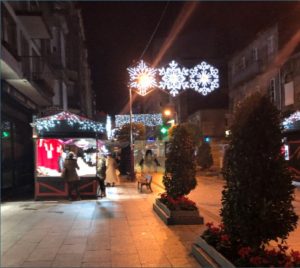

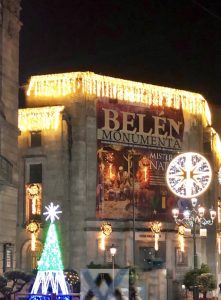


 1/12/19 Calvario, Vigo


 Auditorio Mar de Vigo 13/12/19


 Auditorio Mar de Vigo 15-19/12/19
 Museo do Mar, Año 2020

 Casa das artes - Vigo Hasta el 7/01/19


 IFEVI
 -
 -
 -
 -
 -
 -